sample07_bnr01

Sewage Treatment Facility and Water Purification Plant

Wastewater treatment for sewage treatment facility and water purification plant, and case studies
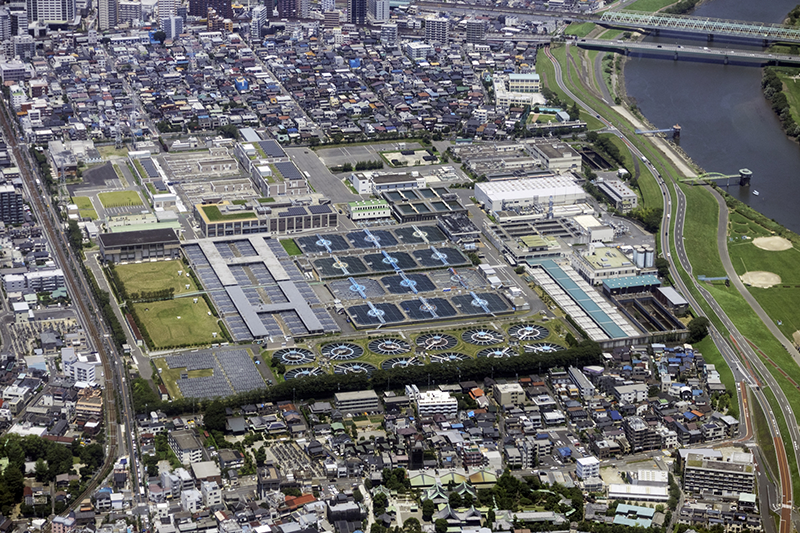
Treated water is disinfected and discharged into public waters or reused as industrial water or other non-potable water.
In order to protect the aquatic environment, such as rivers and oceans, sewage treatment plants must properly manage water quality.
We have an important role to play in protecting the water environment by using water and sewage correctly and reducing the burden on sewer pipes and sewage treatment plants.
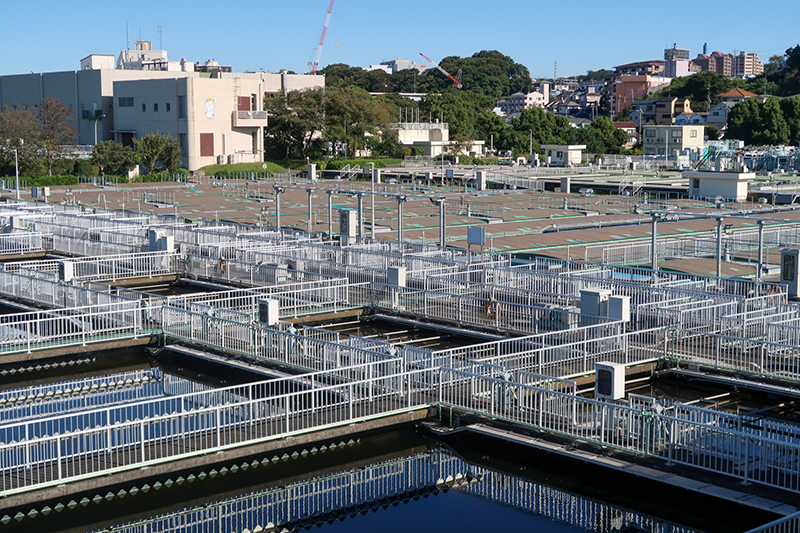
Sewage treatment plants are facilities that purify sewage and discharge it into rivers, lakes, or the sea.
As of 2006, there were approximately 2,000 sewage treatment plants in operation in Japan, with an annual treatment capacity of approximately 14.1 billion tons (equivalent to about 11,320 cups of Tokyo Dome) (data from the Japan Sewage Works Association).
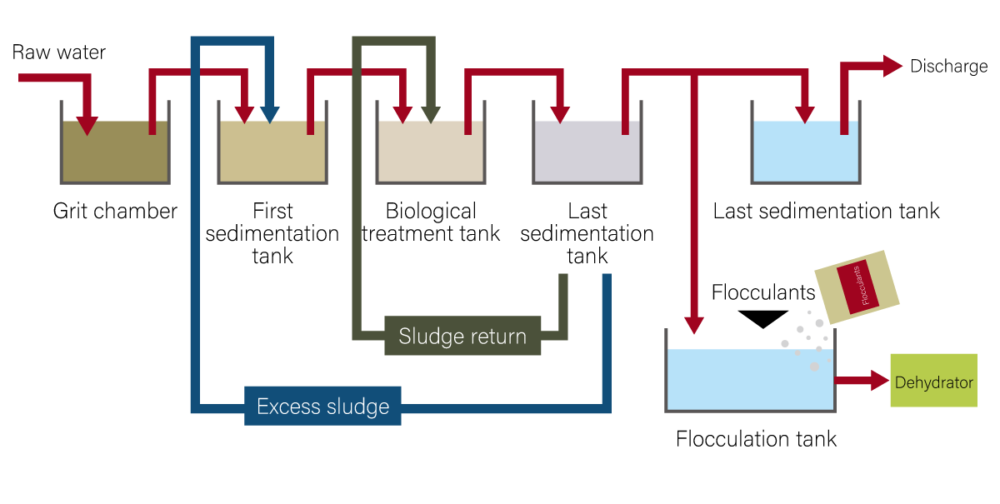
Sewage treatment plants are constructed and operated with the main purpose of purifying rainwater and sewage. Purification mainly refers to the process of removing organic matter from sewage, which involves physical and biological treatment.

Wastewater treatment methods for sewage treatment facility and water purification plant, etc.
【Sewage】
Sewage includes human waste from flush toilets, domestic wastewater from cooking and laundry at home, and industrial wastewater (excluding farming) from business establishments ranging from stores, hotels, and small factories to large factories.

【Treated water】
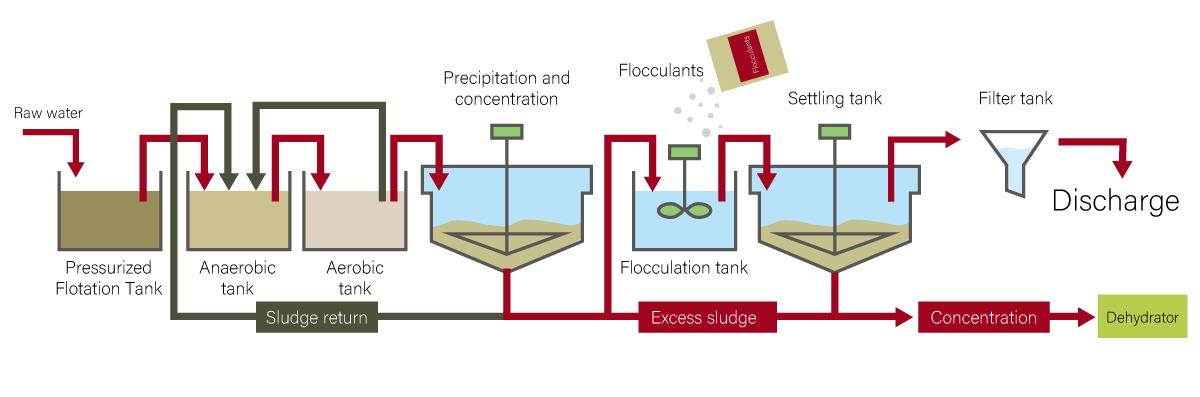
Physical treatment includes sedimentation tanks to separate and remove sedimentable organic matter from sewage, and flotation and filtration.
In biological treatment, dissolved and suspended organic matter in sewage is fed to cultured microorganisms, which oxidize and decompose it into water and carbon dioxide gas, etc. The activated sludge method is a typical example.
It is used as a secondary treatment process in most treatment plants.

【Water resources】
In addition, chemical treatment, such as disinfection, is performed before the final discharge.
Treated water that has been purified through the treatment process is disinfected and discharged into public waters or reused as industrial water or other non-potable water.
In large cities where groundwater sources are difficult to access, highly treated water, which is superior to surface water in terms of quality, is an important water resource.
In addition, the water is used for river maintenance, landscaping, fire prevention, snow suppression, irrigation, and other purposes.

【Examples of chemical use】
※Since a large amount of organic sludge is generated during the sewage purification process, a sludge treatment process is required to reduce the volume and dispose of this sludge in a sanitary manner.
Concentrated sludge is generally in the form of muddy water with a water content of 95% or more, and is dewatered to reduce its water content to 85% or less.

※Dewatering is performed by forming flocs in concentrated sludge and then separating the water with a dewatering machine that uses centrifugal force, filtration, or compression.
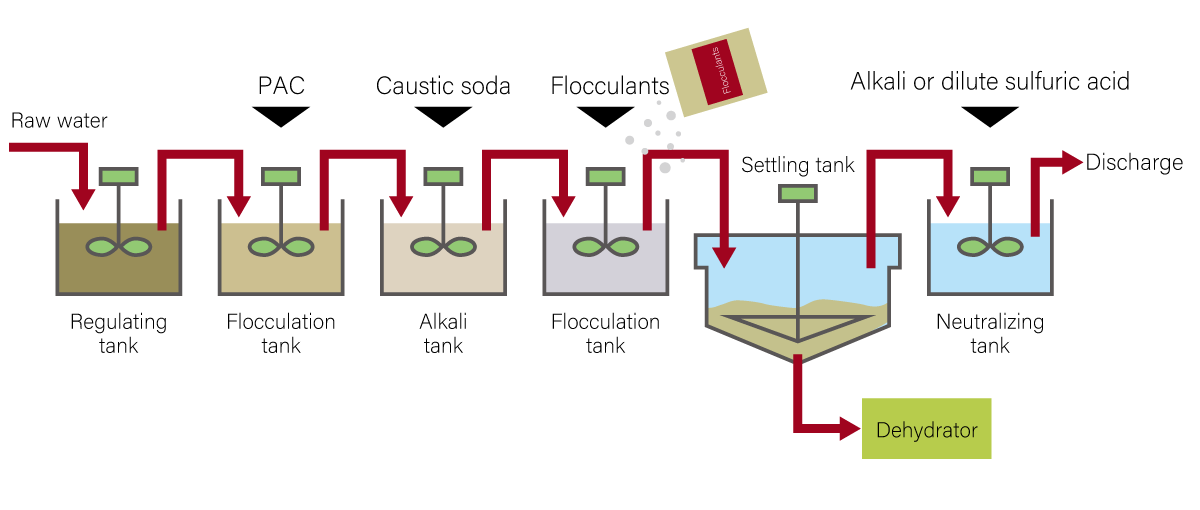
The chemicals used are inorganic coagulants and polymer flocculants, and it is important to select and add the appropriate chemicals and concentration to form flocs suitable for the dewatering machine.
sample06_bnr01

Chemical Plant

Wastewater treatment for chemical plant, and case studies

In the past, industries with many heat-intensive processes, such as the steel and petrochemical industries, were called “water-intensive industries” because they used a lot of cooling and cleaning water.
Today, however, advanced treatment technology for trace amounts of toxic substances and organic solvents in wastewater has become essential and must be strictly controlled in many machinery, electronics, and other industries, regardless of the amount of discharge.

【Petrochemical plant, etc.】
Most wastewater is process wastewater, including raw materials, intermediate products, and catalysts from various plants, and acidic or alkaline cleaning wastewater.
In many cases, treatment methods are established for each substance contained and drainage route, and proper treatment is required.

【Electronic industry】
There are two types of wastewater: inorganic wastewater, such as fluorinated wastewater and acid/alkali wastewater, and organic wastewater, such as organic solvents.

【Plating plant】
Wastewater containing toxic substances generated in pretreatment processes such as degreasing, pickling, and surface preparation, as well as in the plating process, is treated as wastewater.

【Automotive industry】
Painting processes generate wastewater from degreasing, paint booth, electrodeposition coating, and other painting wastewater.

Wastewater treatment methods for chemical plant, etc.

【Petrochemical plant, etc.】
In many cases, treatment methods are established for each substance contained and wastewater route, and treatment facilities are provided for proper management within factories and plants.
In recent years, efforts to control and reduce waste generation have become more sophisticated, especially at each business site and production line, and the role of chemicals used for wastewater treatment has become increasingly important.

【Electronic industry】
Inorganic wastewater is generally treated by coagulation sedimentation after neutralization with salt and pH adjustment, while organic wastewater is generally treated by biological treatment.

【Plating plant】
Depending on the type of toxic substances, cyanide wastewater, chromium wastewater, and acid/alkali wastewater are generally treated separately, and heavy metals are treated by precipitating as hydroxide.
In recent years, technologies for recovering these metals have been studied, and purification and extraction to increase purity are being considered.

【Automotive industry】
The treatment method is designed to remove oils and fats, and it is generally biological treatment after flocculation and pressurized flotation tanks, followed by sedimentation coagulation, filtration, and final treatment with activated carbon.


sample05_bnr01

Animal Husbandry

Wastewater treatment for animal husbandry, and case studies

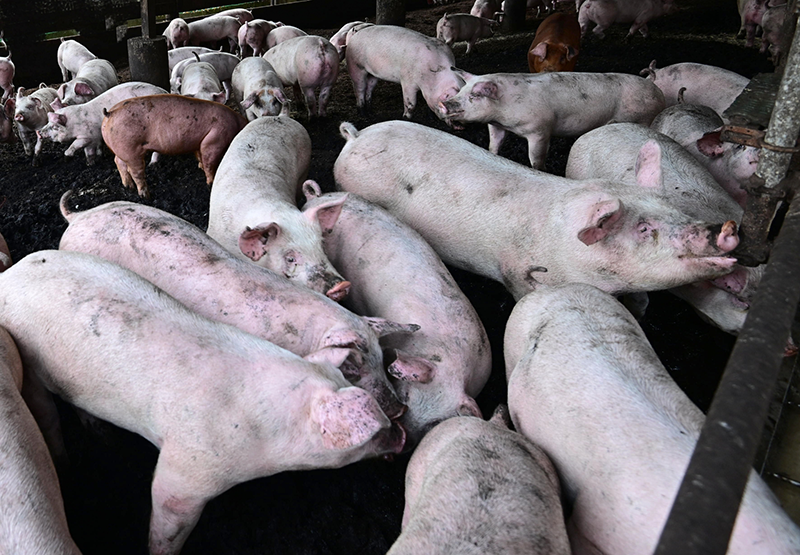
Since the enforcement of the “Law Concerning the Proper Management and Promotion of Utilization of Livestock Manure” (November 2004), facilities have been developed for livestock manure treatment.
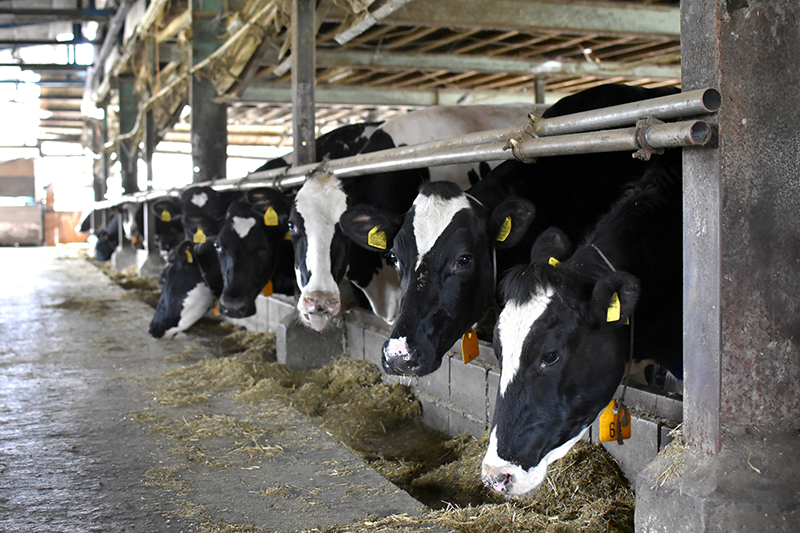
In many cases, each region is promoting initiatives for livestock environmental measures, and efforts are being made not only for piggery wastewater but also for cattle barn wastewater.

【Cattle barn wastewater】

In the past, sometimes only simple treatment was used, taking cost into consideration.
However, cattle barn wastewater, which has a large volume of wastewater, contains high protein and fat content, which exceeds the limit of underground percolation treatment, and there have been concerns about contamination of rivers.
Recently, cattle barn wastewater is being treated by flowing it into a septic tank and aerating it in an aeration tank.

【Piggery wastewater】

Livestock wastewater is rich in organic matter, and until now, the separated sludge has been composted after dewatering.
However, in many cases, the wastewater was treated as industrial waste due to odor and compost surplus problems.
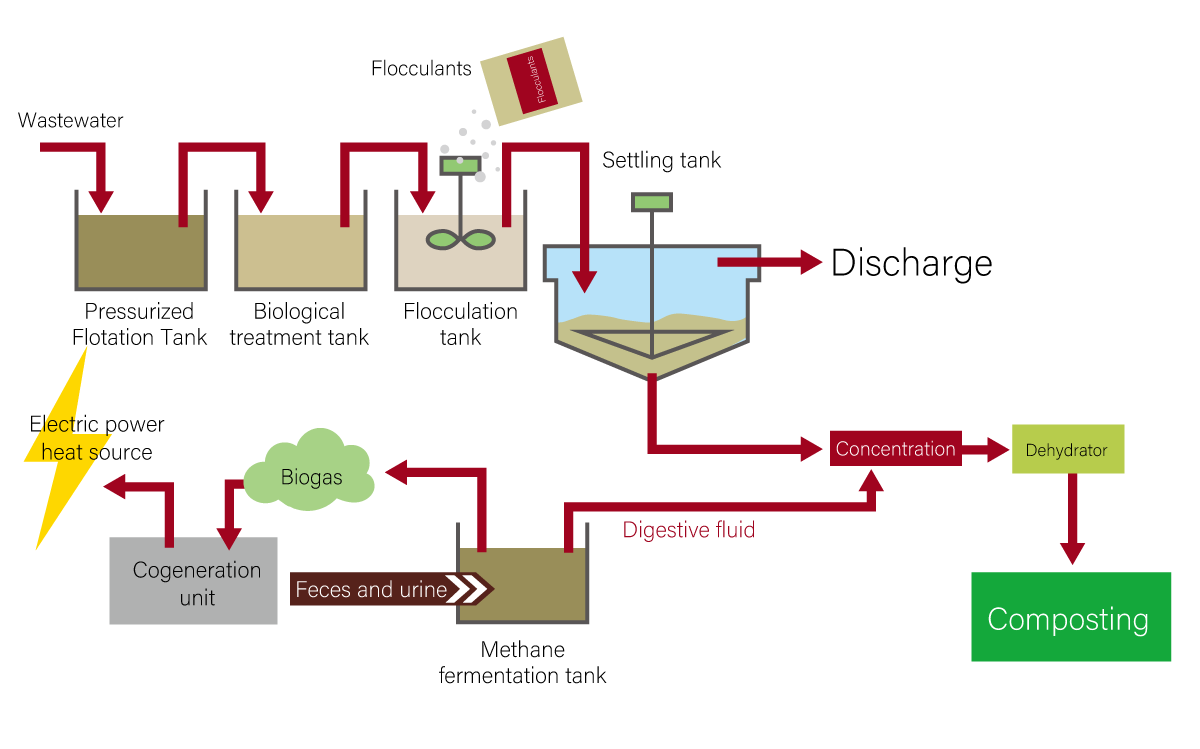
Currently, among livestock manure discharged from pigsties, feces are adjusted and composted using return compost, while wastewater such as urine is treated with activated sludge before being discharged as supernatant water.
Wastewater from urine and on-site water is aerated, precipitated, and strained in a dehydrator for solid-liquid separation, and the dewatered solids are composted in the compost house.

Wastewater treatment methods for animal husbandry, etc.

The problem is that zinc and copper, which are generally added to feed to promote pig growth, are included in wastewater.
In the future, it will be necessary to further reduce the concentration of suspended solids through flocculation and membrane treatment to reduce total zinc and copper concentrations, and more efficient flocculants are required.

sample04_bnr01

Food Processing Plant

Wastewater treatment for food processing plant, and case Studies

Food processing industries include alcohol and beer manufacturing plants, as well as food processing plants such as vegetable processing and seafood processing.
In particular, wastewater from food processing is characterized by high BOD levels of carbohydrates, fats, and proteins.
In addition, the quantity and quality of wastewater fluctuates greatly with time and season, and it is prone to spoilage, those characteristics affect treatment.

【Fooding center】

Kitchen wastewater from fooding centers and restaurants has a high pollution load of organic matter and fats and oils, so there are technical points to maintain the balance of pressurized flotation and activated sludge.
It is important how to properly treat vegetable oils and other fats and oils for treatment efficiency and hygiene control.

【Alcohol plant and brewery】

Alcohol plants that produce alcohol through fermentation or distillation processes produce concentrated distillation effluent.
The effluent is acidic wastewater with very high BOD and suspended solids.
In the case of beer breweries, the wastewater includes water from compression washing and malt waste.
A sugar plant that refines brown sugar and a seafood processing plant that manufactures canned goods and sausages each require their own unique wastewater treatment technology.

Wastewater treatment methods for food processing plant, etc.

There are various combinations of pressure floaters, dehydrators, activated sludge treatment equipment, etc., depending on the type and conditions of the wastewater, therefore it is necessary to select the most appropriate chemicals for each treatment facility.
Traditionally, sludge generated from wastewater treatment was dried and incinerated, landfilled, composted, converted to animal feed, or converted to methane gas, however in recent years, efforts have been made to recycle it and various technologies have been developed.
In general, fats and oils are separated by pressurized flotation or using chemicals such as polymer flocculants.
Separated fats and oils become excess sludge, which is difficult to dewater, therefore it is necessary to select an effective dehydrator and flocculant brand.

sample03_bnr01

Civil Engineering and Dredging

Wastewater treatment for civil engineering and dredging, and case studies

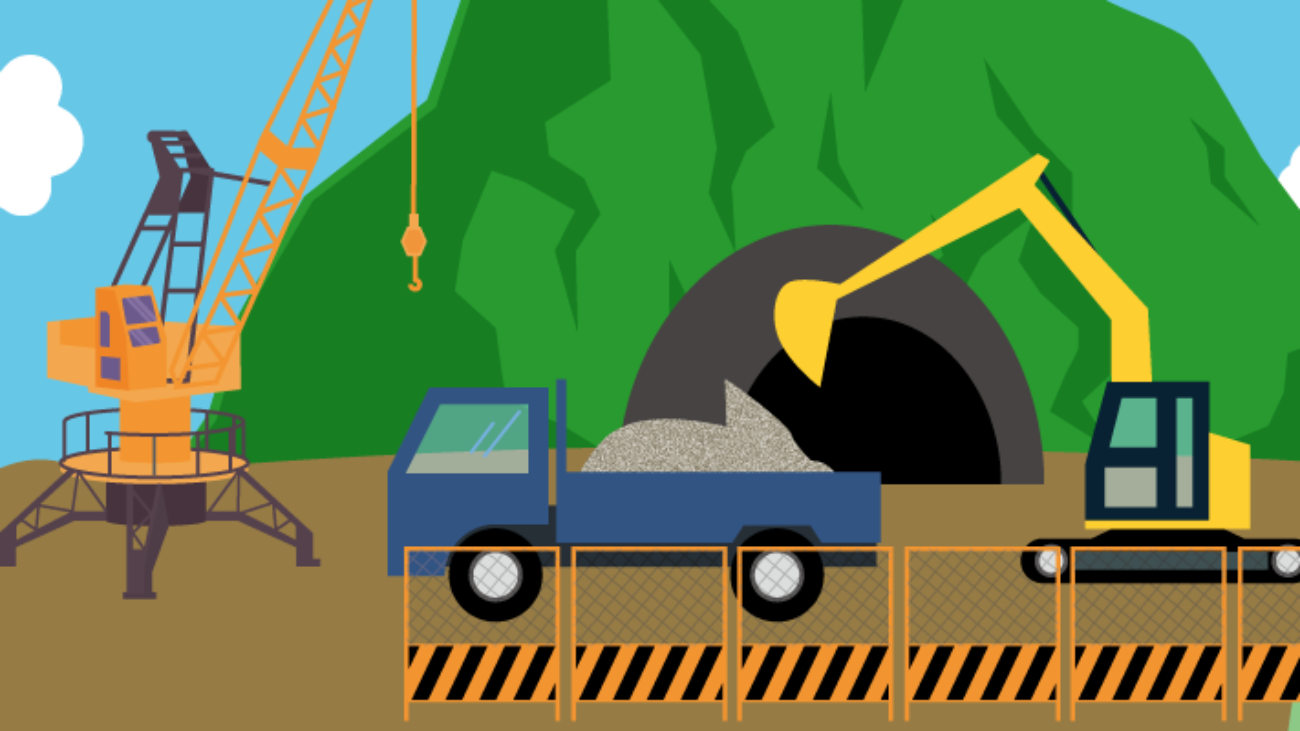
Various types of muddy water are generated from construction projects such as dams and tunnels, and from plants that extract gravel and crushed stone to produce aggregate.
Efficient treatment is necessary to reuse the generated muddy water on site or to discharge it into rivers.
These construction sites and production plants, which take place in a natural environment, require appropriate treatment of muddy water that does not affect the surrounding environment.

【Dam construction】

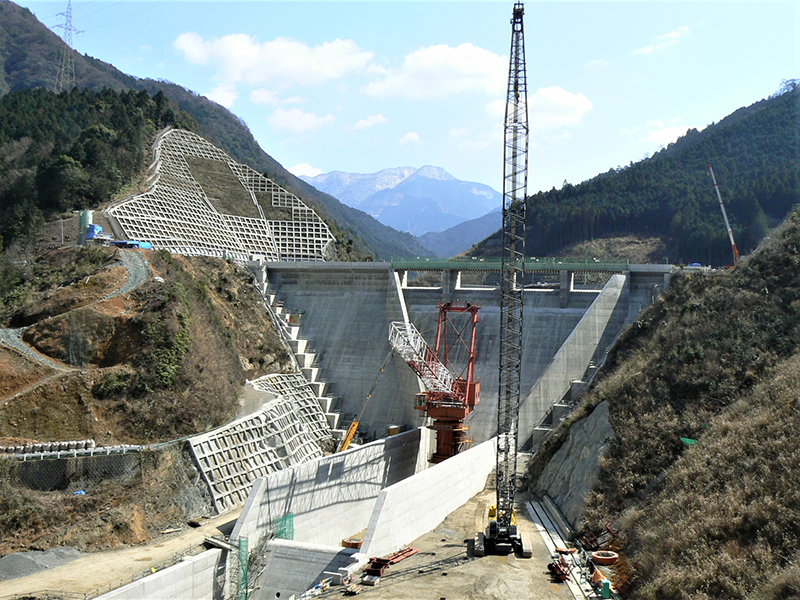
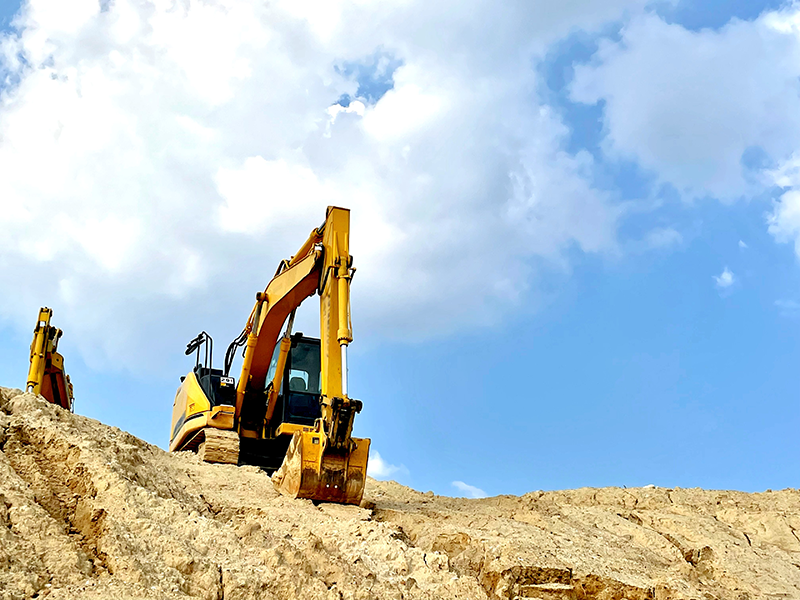
During the construction period, various types of muddy water (e.g., rainwater containing sediment during slope excavation, spring water during excavation of river beds and other areas, water for concrete washing and boring/grouting associated with concrete work, etc.) are generated.

【Dredging】

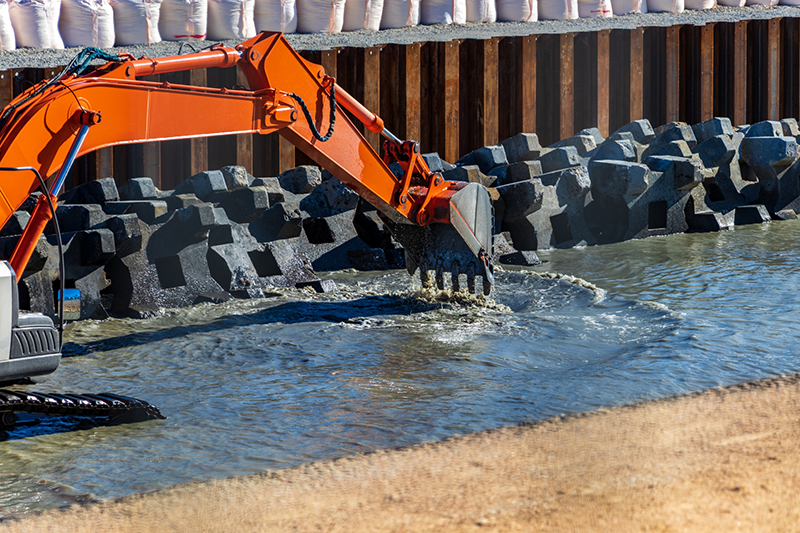
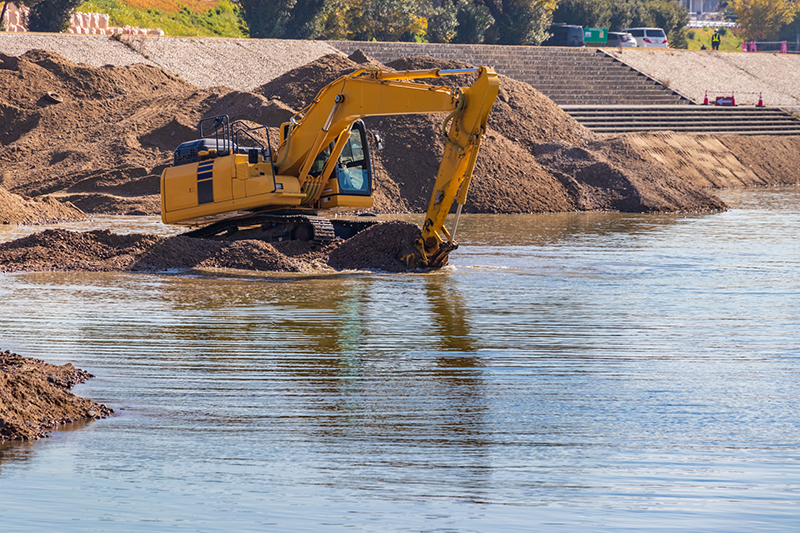
Dredging is a method of mechanically pumping out sediment and sludge deposited in rivers, lakes, marshes, and ocean areas.
About 90% of the muddy water that can be pumped out by the dredging method is water.

【Aggregate production plant】

Aggregate is sand or gravel that is used as the main material in making concrete or asphalt.
Aggregate can be natural, collected from riverbeds and mountains, or man-made, crushed from rocks.
After collection or crushing, the aggregate is washed with water to remove mud and other contaminants from the surface, and then sorted by particle size before shipping.

Wastewater treatment methods for civil engineering and dredging, etc.

Dam construction

Muddy water generated from civil engineering works is inorganic wastewater with suspended fine particles such as clay minerals.
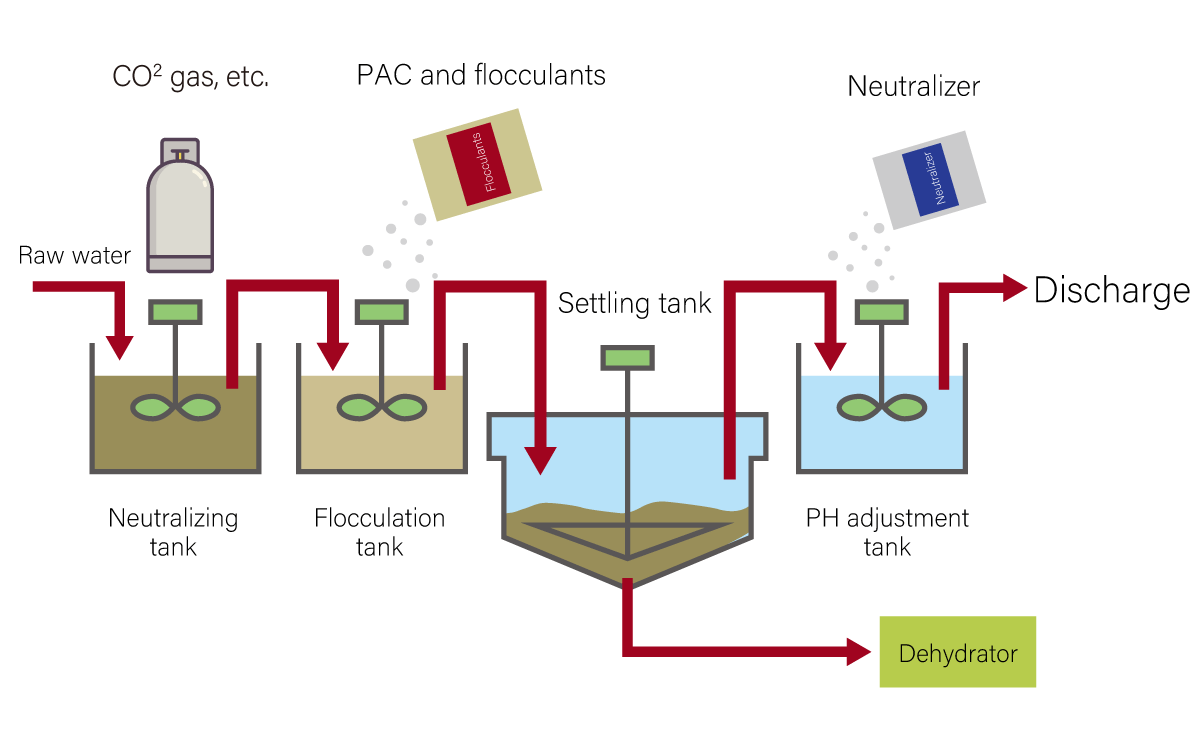
The chemicals used are mainly inorganic coagulants and polymer flocculants. Muddy water is separated by sedimentation in sedimentation tanks or thickeners, followed by solid-liquid separation in dewatering machines such as filter presses.

Dam construction

Muddy water is treated to reuse or discharge into rivers, therefore proper treatment is necessary.
Muddy water treatment facilities installed include sedimentation tanks, thickeners, and mechanical dehydrators, which must be properly treated using inorganic coagulants and polymer flocculants.

Dredging

Since approximately 90% of the muddy water pumped out by the dredging method is water, it is important to effectively separate the sediment and sludge from the water by solid-liquid separation.
Since a large amount of muddy water must be treated during dredging, it is necessary to remove the turbidity and treat it effectively and properly.

Aggregate production plant use case

Production plants require large amounts of cleaning water as well as large amounts of muddy water treatment, making water recovery and utilization essential.
Aggregate washing → muddy water from washing → sedimentation → dewatering → treated water → reuse

sample02_bnr01

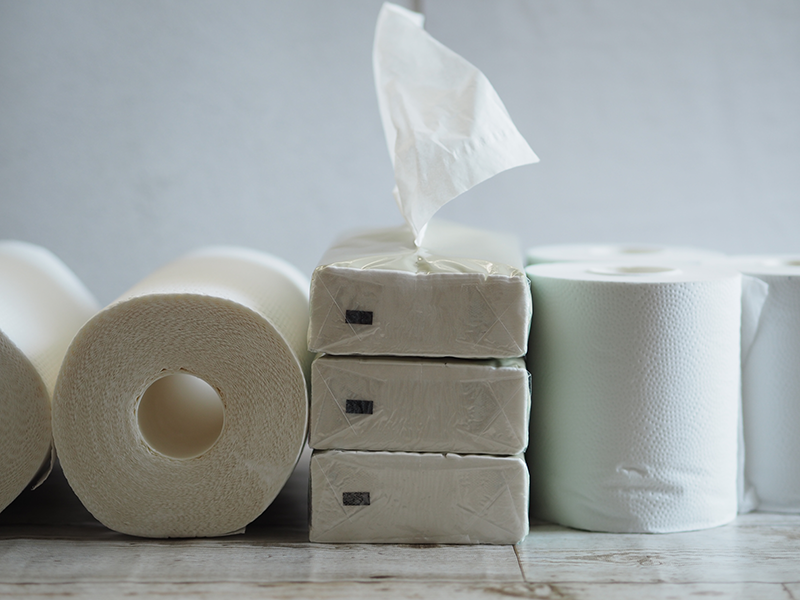
Paper Manufacture and Paper Mills

Wastewater treatment for paper manufacture and paper mills, and Case Studies

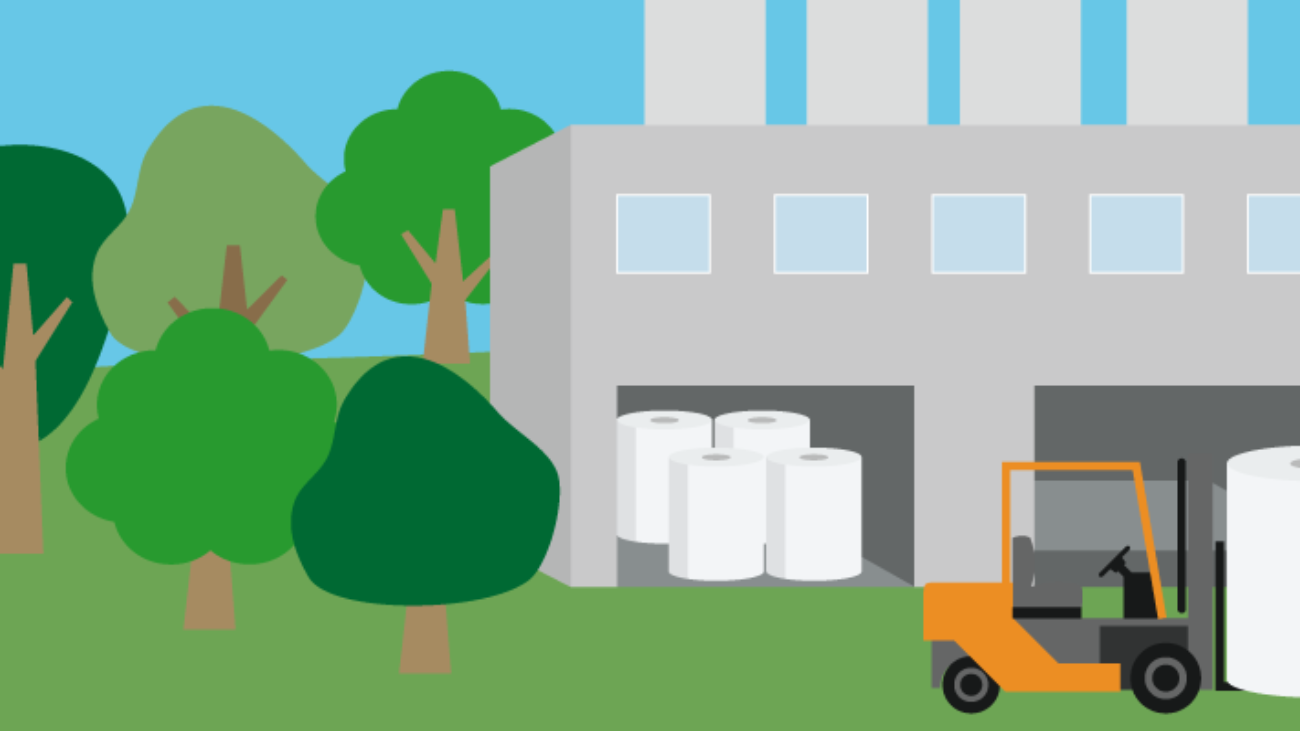
The pulp and paper industry is a typical water-intensive industry that requires large amounts of water. Inevitably, it also requires a large amount of wastewater and has large-scale treatment facilities.
Wastewater treatment technology and waste reduction efforts are also advanced, with some mills, for example, equipped with sludge-fired boilers and other zero-discharge facilities.

Wastewater from paper mills includes pulp wastewater, bleaching wastewater, and papermaking wastewater. And the volume of wastewater is large.
In the textile industry, a large amount of surfactants are used, and these are discharged as sewage, therefore it is important to biodegrade them in wastewater treatment.

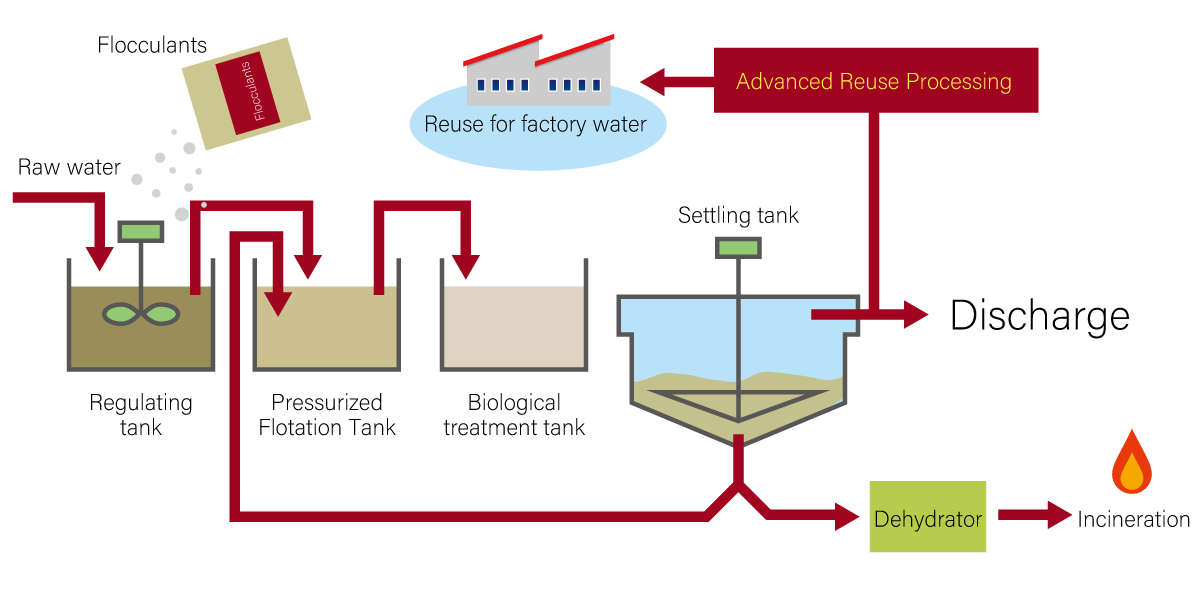
Wastewater treatment for paper manufacture and paper mills, and Case Studio

Paper wastewater is generally treated by coagulation and sedimentation to remove solids such as fine fibers and additives in the white water, and the treated water is filtered and reused or circulated as washing water or dilution water.
Other pulp and bleach wastewater is treated by coagulation sedimentation or biological treatment, followed by a combination of coagulation sedimentation or pressure flotation and biological treatment.
Each plant and wastewater system often has its own wastewater characteristics, and the suitability of chemicals may differ for each individual wastewater.
It is important to deal with wastewater fluctuations in a detailed manner.

sample01_bnr01

Mining

Mining wastewater treatment and case studies

Due to resource depletion and the development of international trade in resources, most coal and metal mines in our country have closed.
However, since natural spring water is discharged from these closed mines, the owners are obliged to treat the wastewater to prevent mining pollution.

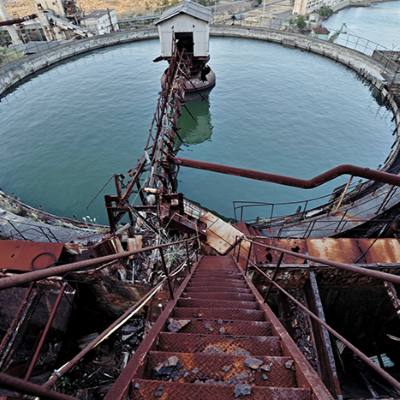
Mining drainage, which is highly acidic and contains heavy metals, is discharged from mining sites that once produced a variety of metallic minerals such as gold, silver, copper, and lead, causing water pollution of rivers and soil contamination of agricultural land.

Wastewater treatment methods

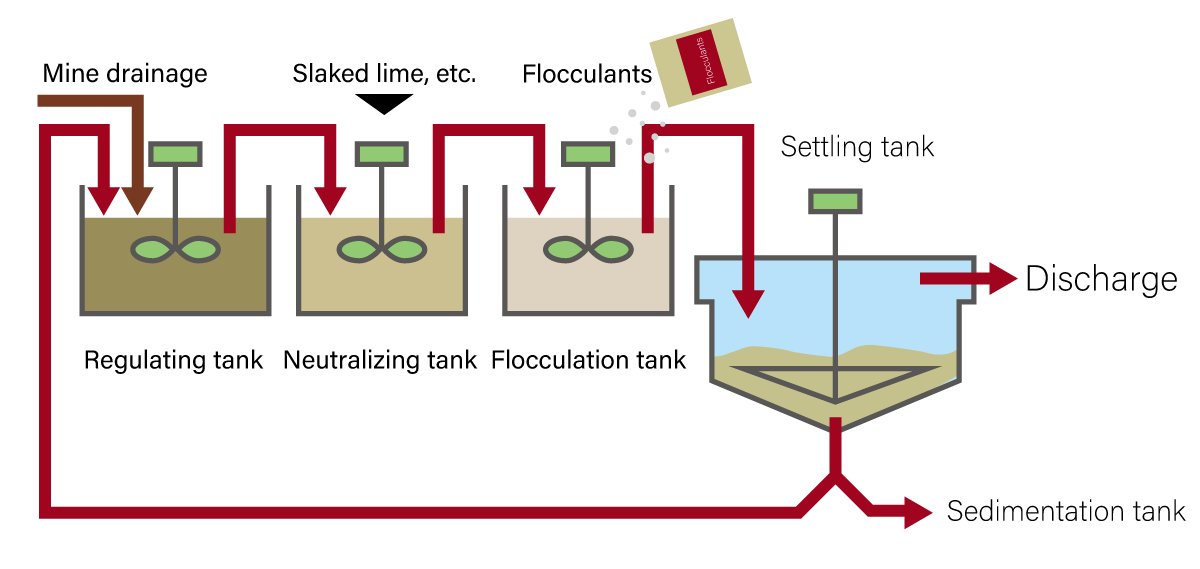
The treatment of mine drainage that is acidic and contains metals requires two processes: neutralization and removal of heavy metals.

The method, commonly referred to as the neutralization method, involves a process of neutralization with an alkali agent and a solid-liquid separation process that precipitates and removes the metals precipitated in the form of hydroxides